These days, technology is playing a big part in the healthcare sector. It is also transforming the way how patients can get care, right from the comfort of their homes. Wearable and other remote monitoring devices can be essential for seniors, those recovering from surgery, or those with chronic illnesses. These have become valuable tools for tracking vital signs and preventing emergencies. Read on to find out how wearable devices can help patients at home.
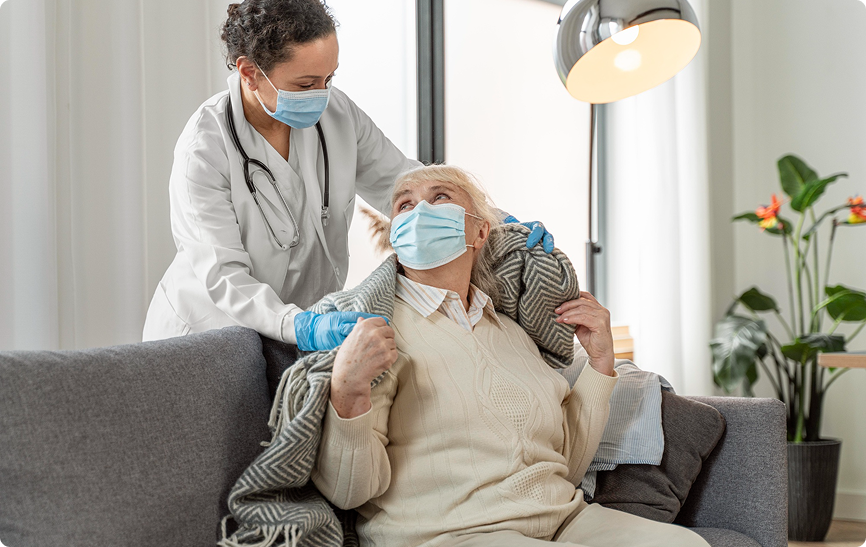
Wearable technology is not only about fitness trackers. It has gone far beyond. It can be easy to come across devices that are designed specifically for health monitoring. In home-based care, these types of devices are becoming essential:
Each type of device can help with early detection, improving safety, and enhancing communication between caregivers, patients, and clinicians.
Wearable devices are advantageous in many ways:
Pros:
Cons:
There are some disadvantages as well:
Despite these challenges, reliable wearable devices and proper training can ensure effective at-home care.
Today, there is a wide variation in the price of wearable monitoring devices. Basic fitness-style trackers may be available at around $50–$150. Advanced medical-grade monitors can cost about $200–$500 or more.
Wearable devices are part of the care programs of some home health agencies. A few insurance providers may cover part of the expenses for chronic disease management. Although the initial investment may appear to be high, it is less expensive than what families have to pay for repeated hospital visits or emergency care.
Data privacy is an important concern given that wearable devices collect personal health information. Reputable devices comply with HIPAA and other healthcare data protection laws.
It ensures that patient information is transmitted and stored safely. Families should to look for devices that allow proper control who can access shared data, come with strong encryption features, and are offered by brands with clear privacy policies.
Wearable technology has transformed aged and disabled care in ways seldom imagined before. Family members or caregivers associated with aging parents or patients with chronic illnesses can get more convenience. These have been essential for modern healthcare and can provide additional comfort for patients and their families.



 Share Post
Comments (0)