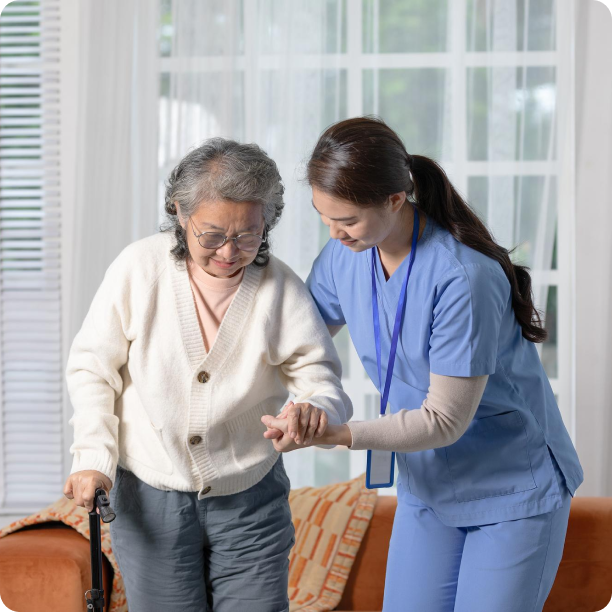
When terminally ill patients need to be looked after, palliative care is essential. It attempts to help patients by improving the quality of their lives. This is very useful for those who suffer from serious diseases. Caregivers try to alleviate the symptoms rather than trying to cure the condition completely. Healthcare professionals, families, and patients themselves need to coordinate thoughtfully to manage symptoms effectively.
Patients who get palliative care often suffer from various physical challenges such as nausea, fatigue, and breathlessness. These can significantly affect their comfort and ability to live independently.
Medications, constipation, or any disease affecting a person may lead to nausea. Caregivers advise patients to avoid strong-smelling or greasy foods and have small, frequent meals to manage their condition better.
After eating, it can be useful for patients to sit in an upright position for at least thirty minutes. In a few cases, antiemetic medications may be prescribed by doctors to help ease nausea. Proper air flow and a relaxing environment can also ease the discomfort further.
Fatigue often persists even after rest, unlike ordinary tiredness. Patients can sometimes manage to boost their energy levels with gentle activities such as short walks or light stretching. With balanced nutrition, hydration, and consistent routines that include rest breaks, they can feel more energized.
Caregivers may advise patients to simplify their daily tasks and prioritize what matters most to save energy. Healthcare providers may review medications that contribute to fatigue and adjust them accordingly.
For patients as well as caregivers, breathlessness can be frightening. Caregivers recommend a calm ambience for patients as this can help them breathe more easily. They are advised to sit upright with fans or open windows circulating cool air across their face.
They can also get relief with breathing exercises such as pursed-lip or paced breathing. Doctors may prescribe low-dose opioids in some cases to reduce the brain’s sensation of breathlessness.
If oxygen levels are low, supplemental oxygen may be useful. However, this should only be used under medical advice.
Patients and caregivers can manage many symptoms at home. However, in some situations, medical attention may be needed. Healthcare professionals should be called if:
Patients can expect home visits, medication adjustments, and emotional support from trained palliative care teams. With early intervention, they can prevent crises and manage to stay comfortable.
In palliative care, symptom relief happens to be an ongoing process. The aim is to control the symptoms effectively, so that patients can engage in meaningful activities. Emotional and spiritual support are also integral parts of palliative care, which can help families to cope with transitions and decisions.
Effective management of common symptoms is essential in palliative care. It can help caregivers to make a profound difference in a patient’s daily comfort.




 Share Post
Comments (0)