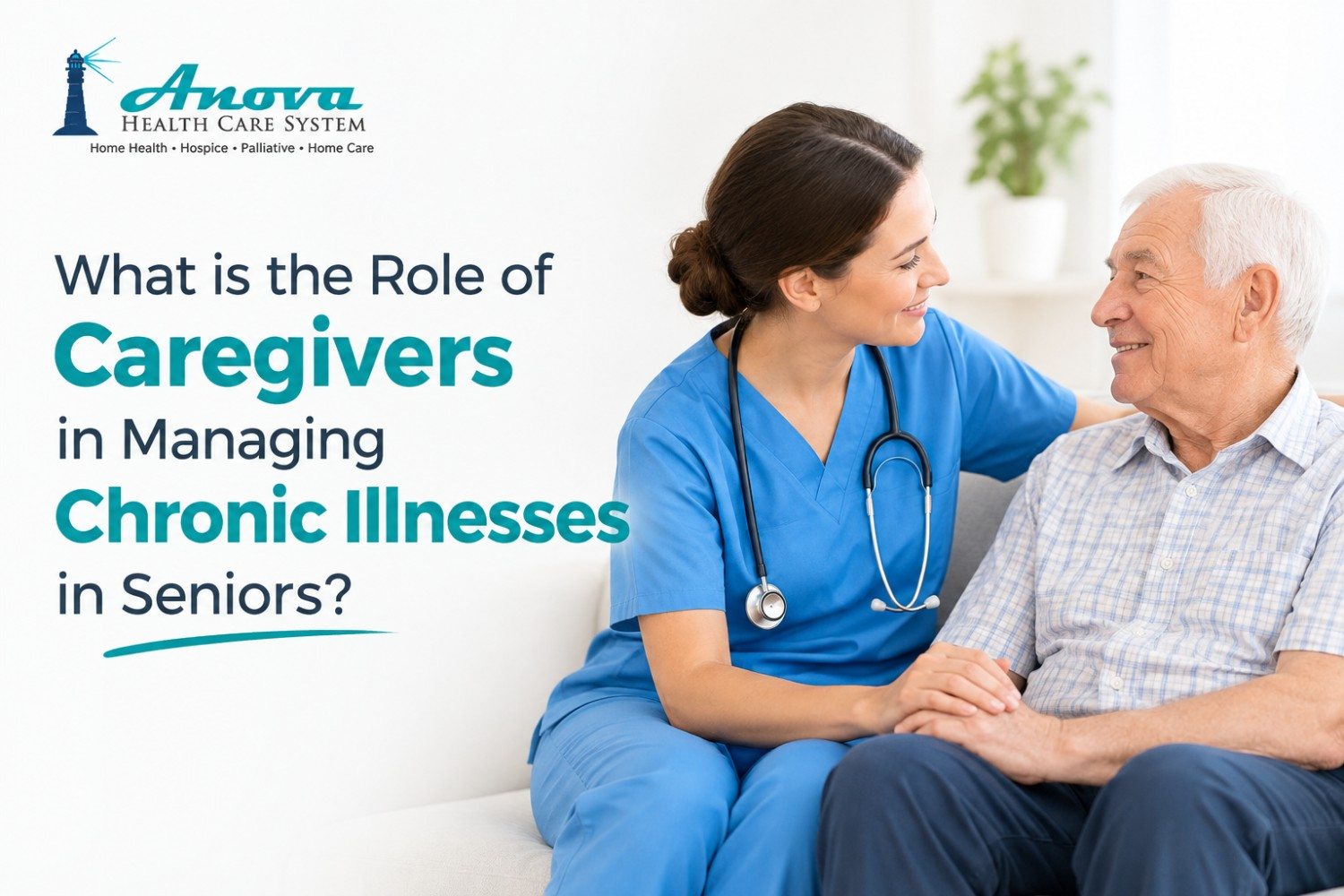
 Dealing with chronic illnesses is never easy, and it can be even tougher when you grow old. You feel the need to have someone by your side to help you to manage your health. Caregivers can be assistive with that exactly. Across the world, seniors find it tough to manage their chronic illnesses on their own. Find out how caregivers can be useful for them in managing chronic illnesses every day.
Caregivers can help seniors to manage their medicines very well. Elderly people often forget to take their medicines on time. Every now and then, they can miss a dose, but this can be very dangerous, especially for chronic patients. When caregivers are around, such problems do not happen frequently. They can help seniors by:
1. Organizing complex pill schedules,
2. Giving them reminders to take medications on time,
3. Tracking their doses, and
4. Watching for side effects
They can also report any health issues or side effects to doctors whenever needed. This is extremely necessary for chronic disease sufferers.
Caregivers can also track vital signs of seniors from time to time. They try to make sure that seniors do not suffer from any drastic health deterioration at any point of time. They help them to deal with chronic illnesses without any problem. To do this effectively, they keep looking for changes in health constantly. If there are any concerns, they report to medical teams immediately. At times, seniors themselves are unable to call for medical help. With caregivers around, they do not have to worry about not being able to get medical assistance on time. Caregivers can act on their behalf by arranging for medical attention as fast as possible.
Caregivers can also provide seniors with living assistance every day. They can help elderly people at almost every step, whether it comes to walking, going out, talking, eating, or other activities. Diabetes, hypertension, or thyroid issues can make life difficult, but caregivers can assist seniors in such a way that they can live more normally. Despite their health problems, they can manage health and activities much more easily. It is especially useful to have caregivers during the night when health symptoms tend to worsen more.
Caregivers can also help seniors to plan their meals in such a way that doctors would approve of them. They go to stores and choose food items as well as beverages that do not harm the health of seniors. They prepare meals properly while keeping their allergies and sensitivities to food in mind. They can also cook foods with substances that are better for health. A home health aide for seniors can also encourage light physical activities according to the directions of physicians. It can help seniors to keep fit without overstraining themselves.
This is one of the biggest areas where caregivers can be assistive for chronic patients. From time to time, dealing with chronic ailments can be a big challenge. Seniors can feel frustrated, depressed, angry, and hopeless at their state of health. They can keep reminiscing about their golden days when they enjoyed a much better state of health, comparing those times with their present health condition. Caregivers can assist by:
1. Listening to them patiently,
2. Helping them to manage their chronic illnesses with more convenience,
3. Offering companionship, which can help to reduce loneliness,
4. Making them feel happy with the things that they love, and
5. Alleviating their anxieties related to diagnosis or chronic symptoms
It is also important to note that caregivers always coordinate proper medical care. They get in touch with medical care providers and doctors whenever they feel the need. As they keep an eye on the health status of seniors, they can send alerts when they spot any change. Seniors do not have to manage their chronic health problems on their own. They can always get someone to help them through skilled home care. Even when they are unable to reach doctors due to their health issues, they can have caregivers to do that for them. As you can see, caregivers can play a very big role in the lives of seniors who must deal with chronic illnesses. At each step of life, they can prove to be assistive to elderly individuals.




 Share Post
Comments (0)